
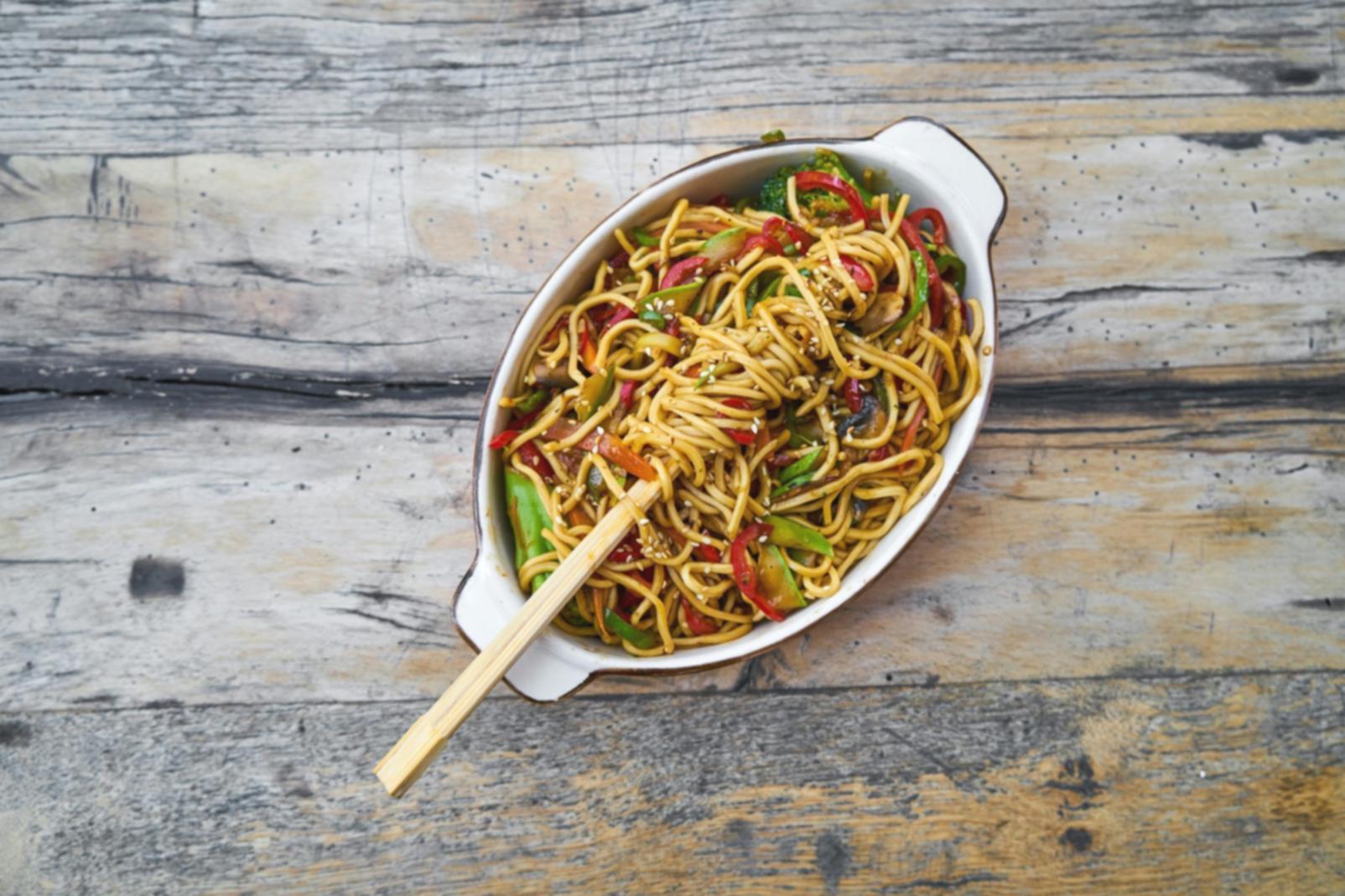
Professional event menu planning workspace with culinary tools and ingredients

Questions About Menu Development

Building event menus requires knowledge of dietary restrictions, seasonal availability, and cultural preferences. These answers address the practical concerns that arise during the planning process.

Common Planning Concerns

How far ahead should menu planning start?

For events with 50 to 200 guests, begin planning 8 to 12 weeks before the date. Larger events or those with complex dietary needs may require 16 weeks. This timeline allows for ingredient sourcing, vendor coordination, and recipe testing.


What information is needed from the client initially?

Guest count, event type, budget per person, known allergies or dietary restrictions, preferred cuisine style, and venue kitchen capabilities. These details form the foundation for realistic menu development and prevent last-minute adjustments.

Can menus accommodate multiple dietary restrictions simultaneously?

Yes, through strategic ingredient selection and preparation methods. A well-designed menu can serve gluten-free, dairy-free, and vegetarian guests without creating separate meal tracks. This approach maintains visual consistency across all plates while meeting individual needs.

How are seasonal ingredient fluctuations managed?

Menus include primary ingredients and approved substitutes based on market availability. For example, if heirloom tomatoes are unavailable, roasted red peppers may replace them. Clients receive notification of any substitutions before the event.

What happens if guest count changes after menu finalization?

Adjustments are accepted up to 72 hours before the event. Increases under 15 percent typically require no menu changes. Larger increases may necessitate simplified preparation methods or ingredient substitutions to maintain quality standards within the revised timeline.

Are tasting sessions included in the development process?

One tasting session is standard for events over 100 guests or those with budgets exceeding a defined threshold. Smaller events may request tastings for an additional fee. Tastings occur 3 to 4 weeks before the event to allow final refinements.

Development Stages

1

Initial Consultation

Collect event details, dietary requirements, and budget parameters. Review venue kitchen specifications and equipment availability. Discuss cuisine preferences, service style, and any cultural or religious considerations that influence menu structure.

2

Menu Drafting

Create three menu options based on consultation findings. Each option includes ingredient lists, preparation timelines, and cost breakdowns. Proposals account for seasonal availability and identify potential substitutions for out-of-season items.

3

Refinement Cycle

Review client feedback on draft menus and adjust dishes, portions, or presentation styles. Test recipes in controlled conditions to verify timing, yield, and flavor balance. Finalize ingredient sourcing with confirmed vendors and backup suppliers.

4

Execution Planning

Develop detailed preparation schedules, equipment checklists, and service protocols. Coordinate with venue staff on setup requirements and timing. Confirm final guest count and complete ingredient orders 72 hours before the event date.

Specialists Available for Consultation

Portrait of Elias Thornwood

Elias Thornwood

Dietary Accommodation Specialist

Focuses on creating inclusive menus that address allergies, intolerances, and religious dietary laws. Works with clients to identify hidden allergens and cross-contamination risks in traditional recipes.

Portrait of Saskia Veldman

Saskia Veldman

Seasonal Ingredient Coordinator

Manages relationships with regional suppliers and tracks ingredient availability across growing seasons. Advises on substitutions that maintain dish integrity when primary ingredients become unavailable or cost-prohibitive.

Planning by the Numbers

8–12

Weeks Advance Planning

3

Menu Options Drafted

72

Hours Final Adjustment Window

100

Guest Minimum for Tasting